🔥 100% Authentic GI-Tagged Saffron   ·   Free Shipping on orders over ₹2000   ·   Direct from Kashmir Farmers 🚀   ·   Ships Worldwide in 5-14 days   ·   🔥 100% Authentic GI-Tagged Saffron   ·   Free Shipping on orders over ₹2000   ·   Direct from Kashmir Farmers 🚀   ·   Ships Worldwide in 5-14 days   ·   🔥 100% Authentic GI-Tagged Saffron   ·   Free Shipping on orders over ₹2000   ·   Direct from Kashmir Farmers 🚀   ·   Ships Worldwide in 5-14 days   ·  
Kashmir Essence
KashmirEssence
Order on WhatsApp
Home/Blog/How to Identify Real Kashmiri Saffron — 6 Tests That Actually Work
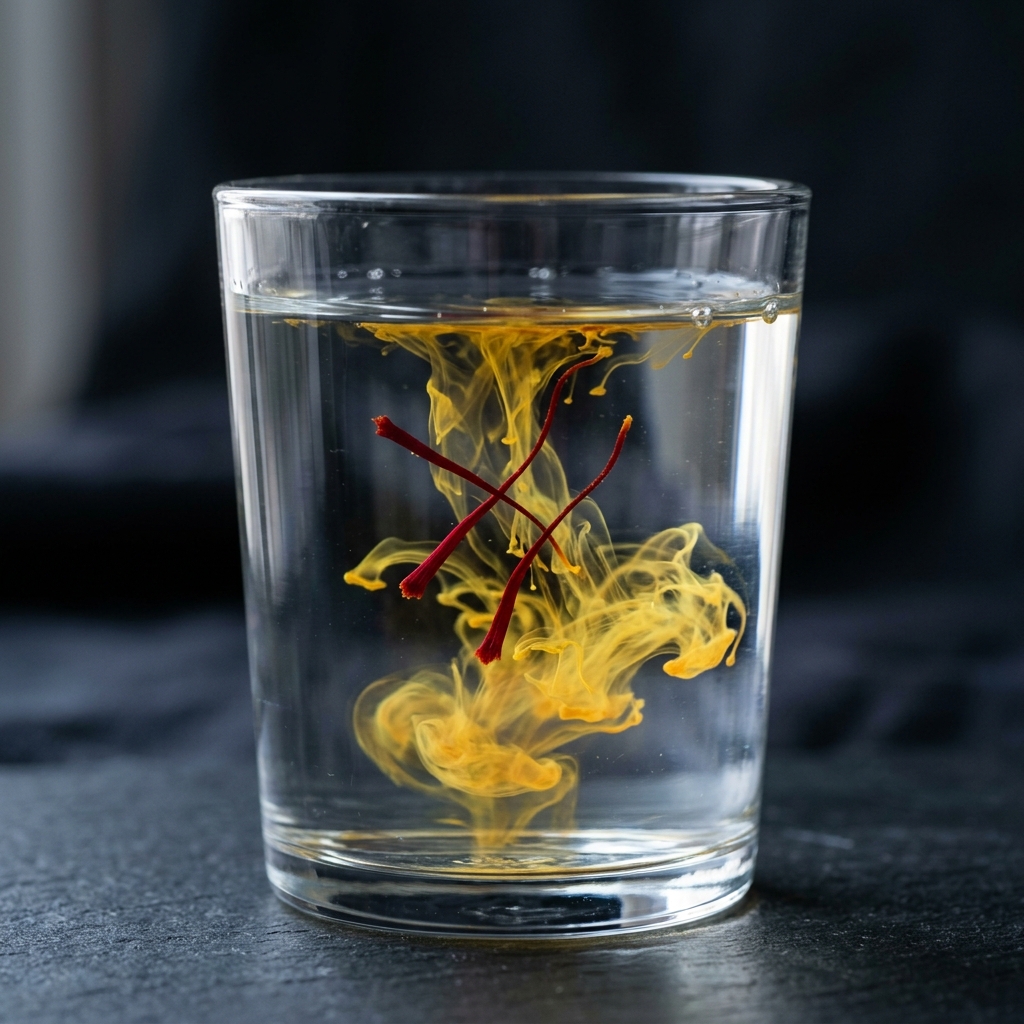
Saffron threads dissolving in clear water showing authentic golden colour
6 min read·20 November 2024·saffron

How to Identify Real Kashmiri Saffron — 6 Tests That Actually Work

Fake saffron is everywhere. Learn the 6 laboratory-inspired at-home tests to verify authentic Kashmiri saffron from food dye, safflower, corn silk, and other common adulterants.

Why Saffron Adulteration is So Common

Saffron is the most expensive spice by weight — genuine Kashmiri Mongra saffron retails for ₹300–700 per gram at source. This extreme price premium creates massive incentive for adulteration. Common adulterants include: dyed corn silk (the most common), safflower petals (also called 'bastard saffron'), dyed paper or synthetic fibres, tutty (dried stamens of saffron, not the stigmas), glycerin-soaked genuine threads (to add artificial weight), and powdered saffron mixed with paprika or turmeric.

Test 1: The Water Test (Most Reliable)

Place 3–4 threads in a glass of cold water. Watch closely. Authentic saffron: releases colour slowly, turning the water golden-yellow over 5–15 minutes. The threads remain red throughout — they do not fully lose their colour to the water. Fake saffron: releases colour immediately (within 30 seconds), as artificial dyes dissolve rapidly. The threads turn pale or white. This is the single most reliable at-home test. For guaranteed safety, order our certified GI-Tagged Kashmiri Saffron Mongra.

Test 2: The Rub Test

Rub a thread between your fingers. Genuine saffron: your fingers turn yellow-gold and the smell is distinctly floral and honeyed. The thread remains intact — it does not crumble or stain immediately. Corn silk or paper: releases colour immediately on contact, often turning your fingers orange-red rather than golden-yellow. Genuine crocin (the colour compound in real saffron) is water-soluble and releases slowly — synthetic dyes release instantly.
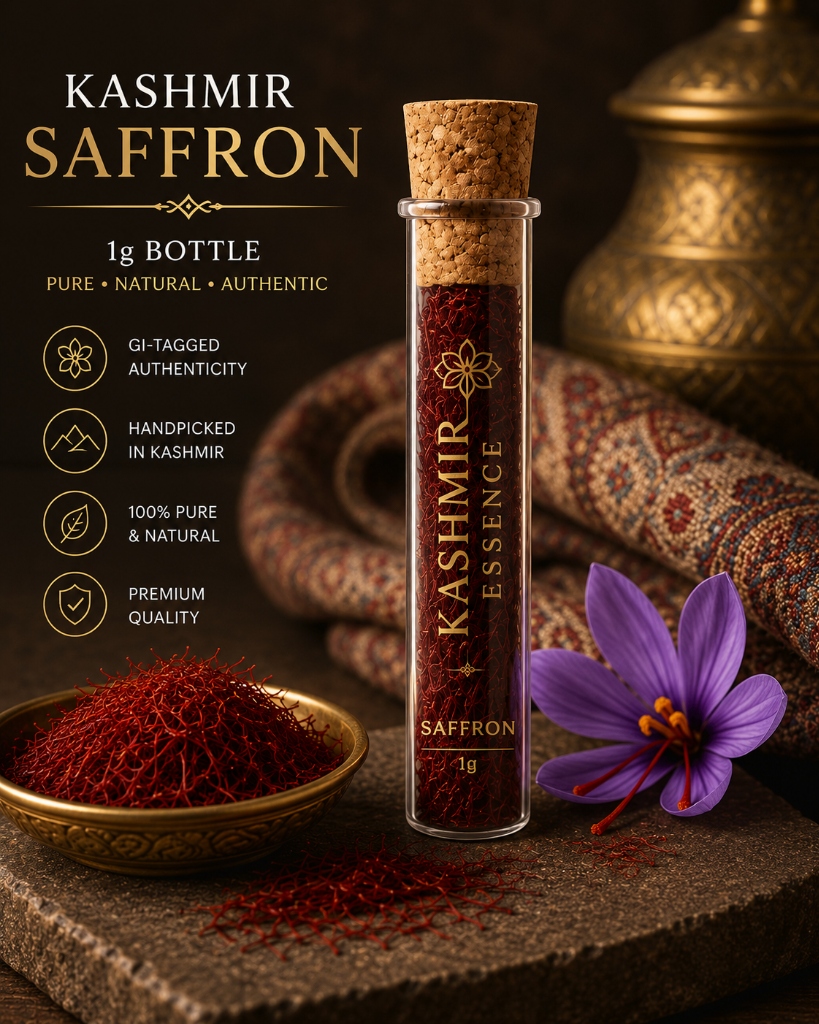
Kashmir Saffron (GI-Tagged) — Mongra Grade (1g)GI Tagged

ISO 3632 Category I

Kashmir Saffron (GI-Tagged) — Mongra Grade (1g)

Origin: Pampore, Kashmir Valley · Harvest: October – November

This is our premium 1g pack of GI-Tagged Kashmiri Saffron (Mongra grade). Sourced directly from the harvest of Pampore, Kashmir, this saffron consists entirely of the deep crimson-red stigma tips, hand-picked and cleaned to ensure zero yellow style. Tested under ISO 3632 standards, our Mongra saffron delivers maximum coloring strength (crocin > 250), rich honey-like aroma, and potent therapeutic value. The 1g pack is perfect for personal daily culinary use, tea infusions, and family recipes. Free from additives, chemicals, or artificial dyes.
10501500Save 30%

Inclusive of all taxes

Test 3: The Shape Test

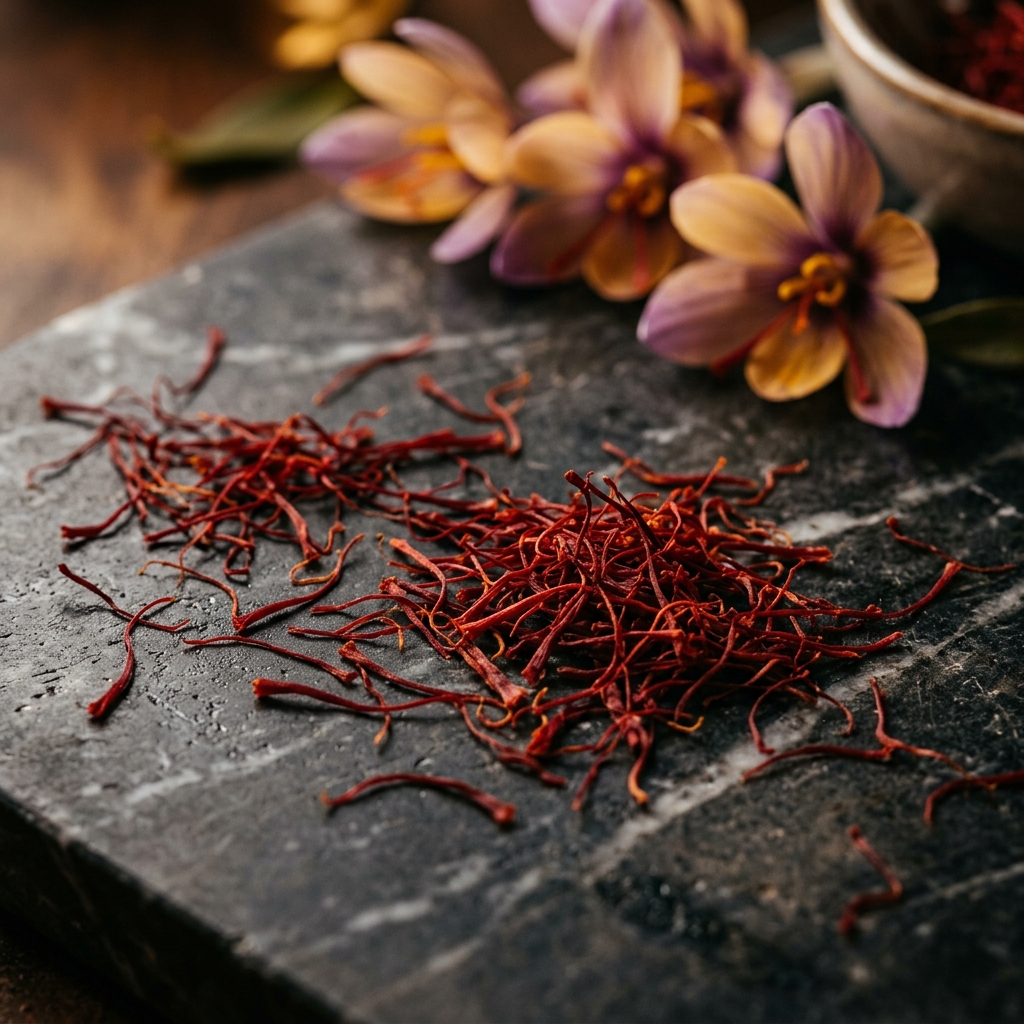
Examine the threads with a magnifying glass or close-up smartphone photo. Genuine Kashmiri saffron threads: are trumpet-shaped (wider at one end, tapered at the other), have a serrated/toothed edge at the trumpet end, and are deep crimson-red. Corn silk: is uniform in width with no trumpet shape. Safflower: has a more uniform, orange-red thread. Synthetic fibres: are perfectly uniform, too regular to be natural.

Test 4: The Baking Soda Test

Dissolve a pinch of saffron in water, then add a few drops of baking soda solution. Authentic saffron: the water turns yellow. Adulterated with artificial dyes: the water may turn red, pink, or a different shade, as synthetic dyes react differently to alkaline conditions. This test is useful for detecting specific dyes but is not definitive on its own.

Test 5: The Cold Milk Test

Place threads in cold milk (not warm). Genuine saffron: takes significantly longer to release colour in cold milk than in warm water. It gradually turns the milk a soft golden-yellow. Adulterated saffron: releases colour quickly even in cold milk. This test exploits the fact that crocin (natural saffron colour) requires some temperature to dissolve efficiently, while artificial dyes dissolve rapidly regardless of temperature. We offer NABL lab-certified Kashmir Saffron (ISO Grade A) Mongra for everyday use.

Test 6: The Price Test

This is actually the most powerful test before purchase: If saffron is priced below ₹200 per gram (at retail), it is almost certainly adulterated. Genuine Kashmiri Mongra saffron cannot be produced, harvested, and sold profitably below ₹280–350 per gram at source. Retail pricing of ₹400–700/gram for genuine Mongra is normal. Any price significantly below this is a red flag regardless of what the seller claims.
Kashmir Saffron (GI-Tagged) — Mongra Grade (1g)GI Tagged

Featured Product

Kashmir Saffron (GI-Tagged) — Mongra Grade (1g)

This is our premium 1g pack of GI-Tagged Kashmiri Saffron (Mongra grade). Sourced directly from the harvest of Pampore, Kashmir, this saffron consists entirely of the deep crimson-red stigma tips, hand-picked and cleaned to ensure zero yellow style. Tested under ISO 3632 standards, our Mongra saffron delivers maximum coloring strength (crocin > 250), rich honey-like aroma, and potent therapeutic value. The 1g pack is perfect for personal daily culinary use, tea infusions, and family recipes. Free from additives, chemicals, or artificial dyes.
10501500Save 30%

Frequently Asked Questions

Can lab testing identify fake saffron?+
Yes. ISO 3632 specifies laboratory spectrophotometric testing for crocin (colour), safranal (aroma), and picrocrocin (taste). These tests cannot be faked by artificial dyes. Any laboratory with a UV spectrophotometer can perform the test. Kashmir Essence provides lab certificates with orders above ₹2,000 on request.
Is 'Kashmiri saffron' sold on popular e-commerce sites real?+
A significant proportion of saffron sold as 'Kashmiri' on mass-market e-commerce platforms is adulterated or of Iranian/Afghan origin relabelled as Kashmiri. Without lab certification, it is impossible to verify origin from photos alone. We strongly recommend buying from verified sources with physical GI documentation.